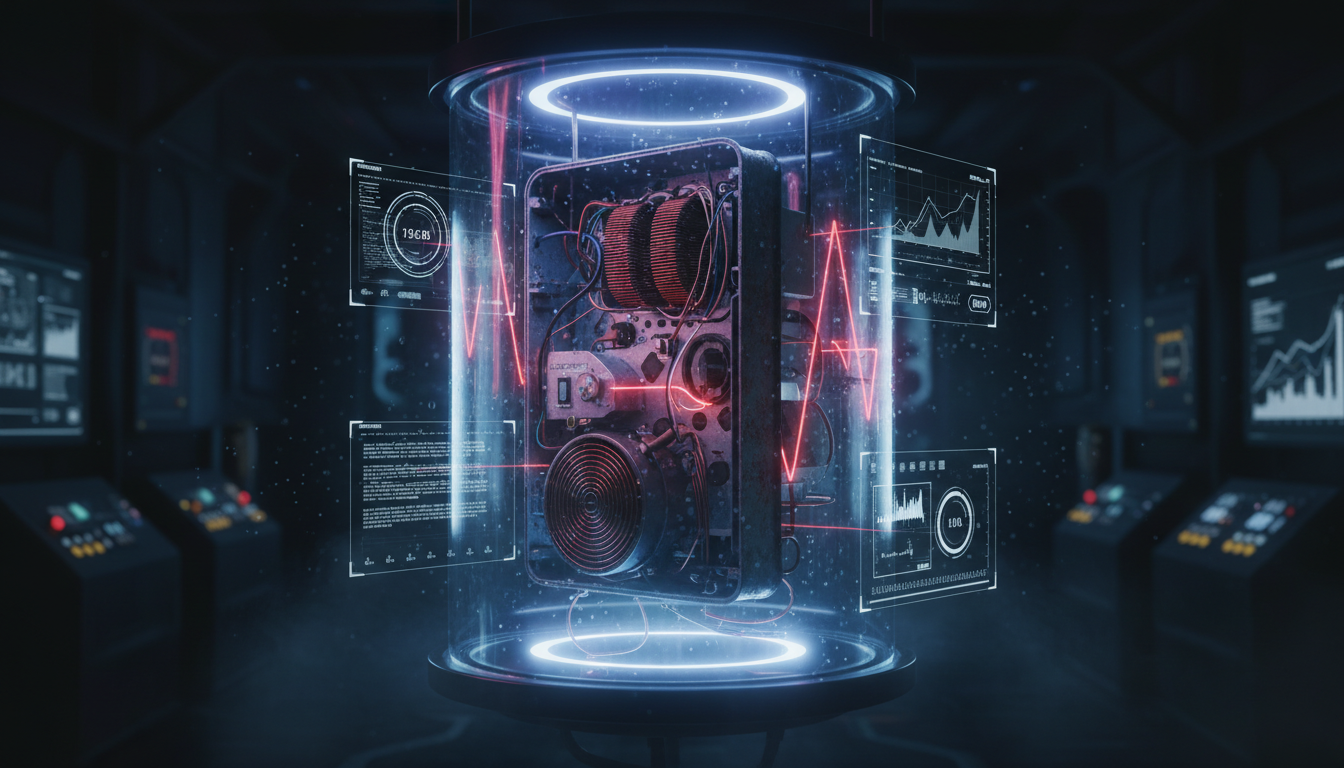
In the annals of domestic engineering, few devices command as much simultaneous respect and terror as the vintage electric shower. Often colloquially referred to as the "suicide shower" or "widow maker," these devices represent a fascinating, albeit perilous, era in home automation and plumbing. Specifically, the configuration utilizing bare 240V elements directly immersed in the water stream stands as a testament to engineering ingenuity born of necessity, and a stark reminder of why modern safety standards exist. This comprehensive analysis dissects the thermodynamics, electrical engineering, and historical context of these high-voltage water heaters.
The Physics of the Widow Maker: Bare Element Thermodynamics
To understand the gravity of a vintage electric shower, one must first grasp the rudimentary physics governing its operation. Unlike modern tankless water heaters, which isolate the heating element within a copper or Incoloy sheath, the vintage units featured in the reference material expose the bare nichrome resistance wire directly to the water. This is Ohmic heating in its rawest form.
Resistive Heating vs. Electrode Boilers
There is a critical semantic and mechanical distinction to be made in this domain. While some industrial applications use electrode boilers—where the water itself acts as the resistor conducting current between two plates—the vintage electric shower typically relies on a coiled resistance wire. When 240V is applied across this wire, the resistance generates thermal energy (Joules). The water flowing over the coil absorbs this heat via convection.
The engineering paradox here is delicate. If the water flow is too slow, the wire overheats, potentially melting the coil or boiling the water into steam (leading to a pressure explosion). If the flow is too fast, the water remains tepid. In these vintage designs, the water acts not only as the target for heating but as the coolant for the electrical circuit.
240 Volts and the Human Conductor: Analyzing the Risk
The core entity of this discussion—the bare 240V element—introduces a terrifying variable: leakage current. In a standard 240-volt alternating current (AC) system, the potential difference is sufficient to drive a lethal current through the human body, specifically across the heart.
In a properly functioning modern heater, the heating element is electrically insulated from the water by magnesium oxide powder and a metal sheath. In the vintage bare-wire design, the water column itself becomes an extension of the electrical circuit. Pure water is a poor conductor, but tap water contains dissolved minerals and salts (ions), making it conductive. The current seeks the path of least resistance to the ground (earth).
The Role of the Ground Wire (and its frequent absence)
Legacy installations often relied on the plumbing pipes themselves for grounding. However, as PVC replaced copper piping, this path to the ground was severed. If a user touches the metal tap while the shower is active, and the water is conductive enough to carry leakage current, the user effectively closes the circuit. This danger is exacerbated in 240V systems compared to 110V systems due to the higher electromotive force.
Structural Analysis of the Vintage Mechanism
Based on the referenced video source and historical diagrams of similar devices (such as the early Lorenzetti models), the internal architecture is deceptively simple yet mechanically complex.
The Diaphragm Pressure Switch
The activation mechanism is purely hydraulic. When the tap is opened, water pressure pushes against a rubber diaphragm. This diaphragm is mechanically linked to a set of heavy-duty electrical contacts (often copper or silver-plated). As the diaphragm expands, it bridges the connection, sending the full 240V load to the heating coil.
Failure Point: In vintage units, these contacts would often arc or weld together due to the high amperage. If the contacts weld shut, the heating element remains on even after the water is turned off, leading to catastrophic thermal runaway.
The Heating Chamber
The chamber is usually made of thermoplastic, capable of withstanding high temperatures. However, the proximity of a red-hot wire to plastic housing requires a constant flow of water. The design referenced often includes a "tortuous path" for the water to ensure maximum contact time with the element, increasing thermal transfer efficiency but also increasing the risk of sediment buildup (scaling).
The Evolution of Safety Standards: Why We Stopped
The transition away from bare-element 240V showers was driven by the introduction of strict IEC (International Electrotechnical Commission) standards and the widespread adoption of Residual Current Devices (RCDs), also known as GFCIs. RCDs monitor the balance of current between the live and neutral wires. In a bare-element shower, a small amount of current inevitably leaks into the water and down the drain. An RCD detects this imbalance immediately and cuts the power.
Consequently, vintage bare-element showers are incompatible with modern safety switchboards; they will instantly trip the breaker, rendering them obsolete in compliant electrical systems.
Maintenance and the Danger of Scale
Another factor contributing to the decline of this technology is calcium carbonate scaling. As water heats, minerals precipitate out of the solution. On a sheathed element, scale reduces efficiency. On a bare wire element, scale acts as an electrical insulator, causing the wire to overheat in localized spots and eventually burn out (open circuit). Furthermore, flaking scale can block the showerhead, increasing internal pressure and risking a rupture of the thermoplastic casing.
Global Context: The ‘Suicide Shower’ Phenomenon
While the term is pejorative, the prevalence of these devices in South America and parts of Eastern Europe cannot be overstated. They were a solution to an infrastructure problem: how to provide hot water cheaply without a central boiler or gas lines. The "widow maker" moniker arose not just from the design, but from improper DIY installation—specifically, the lack of proper grounding or the use of undersized wiring that would overheat and cause fires.
Conclusion: An Engineering Relic
The vintage electric shower with bare 240V elements remains a fascinating study in minimalist engineering. It achieves its goal—hot water—with the absolute minimum of components: a wire, a switch, and a housing. However, it achieves this at the cost of eliminating the margins of safety we now consider non-negotiable. It is a device that demands respect, understanding, and, for the modern user, immediate replacement.
Frequently Asked Questions
1. Why were bare element electric showers ever legal?
In the mid-20th century, electrical safety standards were less stringent, and the need for affordable hygiene solutions outweighed the perceived risks. Additionally, when installed with copper piping and perfect grounding, the risk was mitigated, though never eliminated.
2. How does the water not electrocute you instantly?
Resistance. The water in the pipe adds resistance to the electrical path. While the water is live near the element, by the time the water droplets fall through the air to the user, the electrical path is broken (if the stream is not continuous) or the resistance is high enough to limit current to non-lethal levels, assuming the grounding system is functioning to siphon off leakage current.
3. Can you use a vintage bare-element shower with an RCD/GFCI?
Generally, no. Because the heating element touches the water, there is always a small amount of current leakage to the ground via the water pipes. This leakage is usually sufficient to trip a sensitive modern RCD instantly.
4. What is the difference between this and a modern electric shower?
Modern electric showers use a sheathed heating element (like a kettle). The electricity passes through a wire inside a copper tube, insulated by magnesium oxide. The water never touches the live wire. Modern units also include thermal cut-outs and pressure relief valves.
5. What happens if the water pressure drops while using a vintage unit?
If the pressure drops but remains high enough to keep the diaphragm switch engaged, the water flow decreases while the power input remains constant. This causes the water to become dangerously scalding hot in seconds, potentially burning the user or melting the unit.
Related Post