The Paradigm Shift: Understanding the iOS 27 Architecture
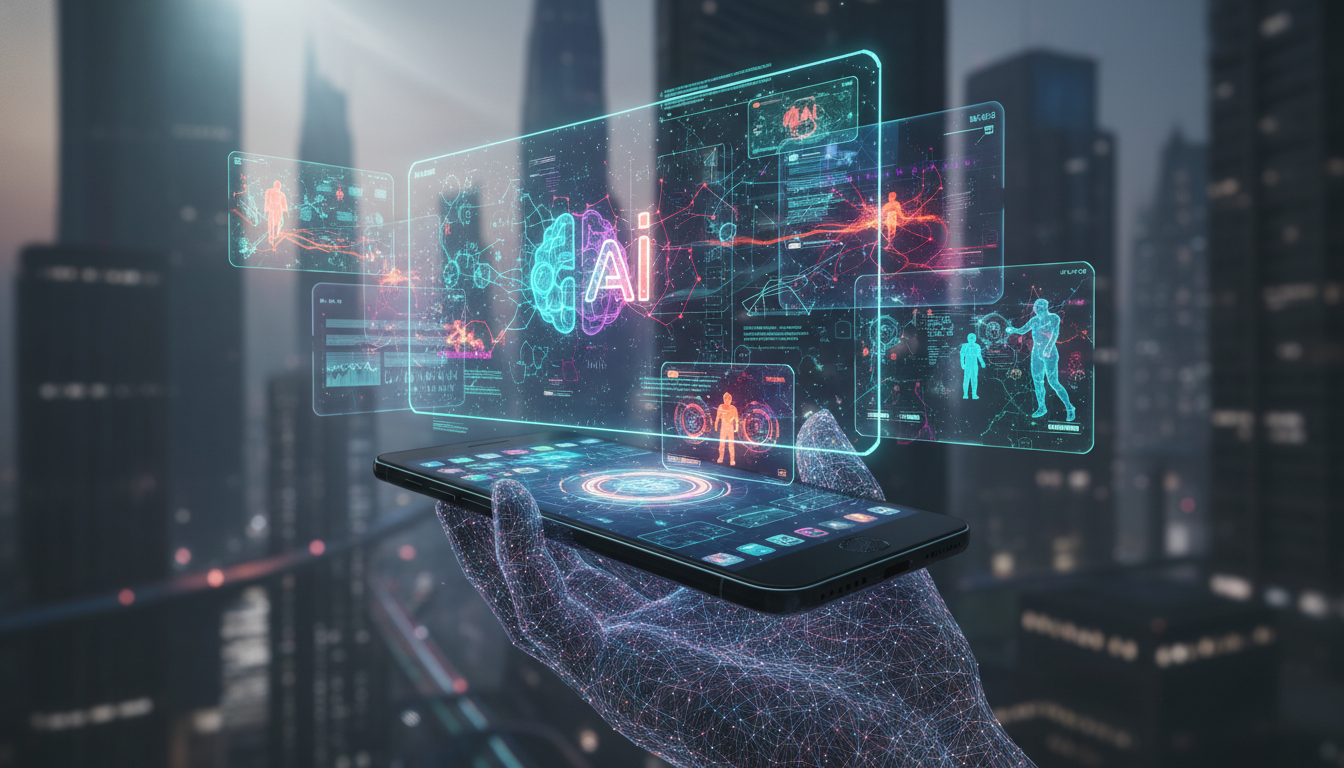
The release of iOS 27 marks a pivotal moment in the trajectory of mobile computing, signaling a departure from static application grids toward a fluid, intent-based operating system. As Apple continues to iterate on its hardware-software synergy, iOS 27 serves as the connective tissue that binds the iPhone’s neural processing capabilities with user intent. This update is not merely cosmetic; it is a fundamental restructuring of how the Operating System (OS) interprets, predicts, and executes tasks. By leveraging the advanced power of the A-series and M-series silicon, iOS 27 introduces a layer of ambient intelligence that operates pervasively across the device.
In this exhaustive analysis, we explore the semantic depth of the iOS 27 features, dissecting the engineering marvels behind the user interface and the strategic implementation of on-device machine learning. From the complete overhaul of Siri to the introduction of spatial computing elements on the handheld screen, iOS 27 establishes the iPhone not just as a communication device, but as a proactive agent of digital lifestyle management. This guide covers the ‘What’, ‘How’, and ‘Why’ of the update, ensuring you are prepared for the future of the Apple ecosystem.
Apple Intelligence 3.0: The Neural Core of iOS 27
At the heart of iOS 27 lies the third iteration of Apple Intelligence, a proprietary framework designed to maximize the efficiency of the Neural Engine. Unlike previous versions that relied heavily on cloud computing for complex queries, iOS 27 shifts the majority of processing to the device itself (Edge AI). This shift is critical for latency reduction and privacy preservation.
Generative Siri and Contextual Awareness
The criticism of legacy voice assistants has always centered on their inability to maintain context. iOS 27 features a fully reconstructed Siri, built upon a Large Language Model (LLM) optimized for mobile architecture. This new Siri does not simply fetch answers; it generates solutions. When a user asks about their schedule, Siri in iOS 27 cross-references emails, messages, and traffic data to provide a synthesized answer that accounts for semantic nuances.
For example, a query like “Plan a dinner for my anniversary” triggers a multi-step execution protocol. Siri identifies the date from the Calendar, checks dining preferences from past usage patterns within Maps and OpenTable, verifies budget constraints via Wallet integration, and drafts a reservation email—all within seconds. This level of semantic chaining represents a massive leap in natural language understanding (NLU).
On-Device LLM Optimization
Running Generative AI on a smartphone battery has historically been a bottleneck. iOS 27 addresses this through Dynamic Compute allocation. The OS intelligently routes simple requests to the efficiency cores of the CPU while reserving the Neural Engine for heavy generative tasks. This ensures that while the iPhone is thinking harder, it isn’t draining energy at an accelerated rate. The integration of quantized models allows the iPhone to store vast amounts of linguistic data locally, reducing the reliance on data connectivity and ensuring that the core features of iOS 27 remain functional even in offline environments.
Visual Interface Overhaul: The Spatial Design Language
With the maturation of the Vision Pro ecosystem, Apple has unified its design language across platforms. iOS 27 brings Spatial Design principles to the 2D screen of the iPhone, creating a sense of depth and materiality that was previously absent.
Holographic Widgets and Depth-Mapped Interfaces
The flat design era is officially over. iOS 27 introduces Depth-Mapped Widgets. These interactive elements utilize the gyroscope and accelerometer to create parallax effects that mimic three-dimensional objects. A weather widget doesn’t just show rain; it renders droplets that appear to sit on the glass surface, reacting to the tilt of the device. This is powered by a new rendering engine, MetalFX Upscaling, which allows for high-fidelity graphical user interfaces without taxing the GPU.
Furthermore, the Lock Screen has been reimagined as a Live Surface. Instead of static wallpapers, users can deploy generative landscapes that evolve based on time of day, weather conditions, and even battery levels. This creates a semantic connection between the digital state of the device and the visual representation presented to the user.
Seamless Handover with Spatial Computing
For users deeply entrenched in the Apple ecosystem, iOS 27 serves as the primary controller for spatial experiences. The Handoff protocol has been upgraded to support volumetric data. You can view a 3D model on your iPhone via ARKit 6 and, with a simple gesture, project it into the 3D space of a connected headset or a compatible smart display. This feature, dubbed Spatial Handoff, eliminates the friction between handheld and head-mounted displays, solidifying the iPhone’s role as the anchor of the spatial web.
Health and Vitality: The Bio-Metric Evolution
Apple’s commitment to health tech reaches new heights with iOS 27 features that focus on preventative care and non-invasive monitoring. The Health app has been transformed from a data repository into an active health coach.
Non-Invasive Glucose Trend Analysis
While hardware limitations still govern pure blood glucose reading, iOS 27 introduces advanced algorithms that can analyze glycemic trends based on meal logging, activity levels, and sleep quality. By synthesizing data from third-party nutrition apps and the Apple Watch, the OS creates a predictive model for blood sugar spikes. This feature, known as Metabolic Insight, provides users with actionable advice—such as suggesting a walk after a carb-heavy meal—to maintain homeostasis.
Psychometric Mood and Mental Health Tracking
Mental health takes center stage in iOS 27. Utilizing the front-facing TrueDepth camera and microphone (with strict privacy permissions), the device creates a Psychometric Baseline. It analyzes vocal tone during calls and facial micro-expressions during FaceID unlocks to detect signs of stress, fatigue, or anxiety. When deviations from the baseline are detected, iOS 27 proactively suggests mindfulness exercises, breathing routines, or prompts the user to log their mood. This creates a feedback loop that fosters emotional awareness, transforming the iPhone into a tool for mental well-being rather than a source of digital anxiety.
Connectivity and Infrastructure: Preparing for the 6G Era
As telecommunications infrastructure evolves, so too must the software that interfaces with it. iOS 27 is built with 6G readiness in mind, ensuring that the iPhone can leverage ultra-low latency networks as they come online.
Satellite Mesh Networking
Building on the Emergency SOS via Satellite, iOS 27 introduces Satellite Mesh Messaging. This feature allows iMessage to function via satellite for non-emergency texts when cellular and Wi-Fi grids are unavailable. By compressing text data into micro-packets, the OS ensures global connectivity. This is vital for remote workers, adventurers, and those in rural areas, effectively eliminating “dead zones” for text-based communication.
Matter 3.0 and the Autonomous Home
The Home app in iOS 27 adopts the Matter 3.0 standard, allowing for true interoperability between smart home devices. The new HomeOS kernel embedded within iOS 27 uses local AI to learn household habits. It doesn’t just let you turn on lights; it learns that you prefer the lights dimmed at 8:00 PM if you are watching TV, but bright if you are reading. This predictive automation reduces the need for manual inputs, moving the smart home from “remote controlled” to “truly autonomous.”
Privacy and Security Protocols in a Quantum World
With the rise of quantum computing, traditional encryption methods face existential threats. Apple addresses this preemptively in iOS 27 with Post-Quantum Cryptography (PQC) standards protecting iMessage and iCloud Keychain.
Quantum-Resistant Encryption (PQ3 Level 2)
iOS 27 upgrades the PQ3 protocol to Level 2, adding layers of lattice-based cryptography that are mathematically resistant to quantum decryption attacks. This ensures that data harvested today cannot be decrypted by powerful quantum computers in the future (a threat known as “Harvest Now, Decrypt Later”). This level of security is applied automatically to all end-to-end encrypted data, reinforcing Apple’s position as the market leader in consumer data privacy.
The Privacy Manifest for AI
With the integration of generative AI, user concerns regarding data scraping are valid. iOS 27 introduces the AI Privacy Manifest. This dashboard allows users to see exactly which apps are accessing the Neural Engine and what data is being fed into local or cloud-based models. Users can toggle “semantic firewalls” that prevent specific data types—like health or financial records—from ever being synthesized by an AI model, regardless of the app’s permissions. This granular control restores agency to the user in an age of algorithmic obscurity.
Legacy Updates: Messages, Maps, and Photos
Beyond the architectural shifts, the core apps that users engage with daily have received substantial upgrades in iOS 27.
Messages: Universal Translation and holographic avatars
iMessage now supports real-time Universal Translation. You can type in English, and the recipient sees the message in their native language, and vice versa. Additionally, Memojis have been upgraded to Persona Avatars, which use the depth sensors to create photorealistic animated representations of the user for FaceTime calls where video is not possible.
Maps: Hyper-Local Environmental Data
Apple Maps in iOS 27 integrates hyper-local environmental data, showing pollen counts, UV indices, and air quality down to the street level. The Eco-Routing algorithm has been refined to prioritize routes that not only save fuel but also avoid high-pollution zones, contributing to a healthier urban lifestyle.
Photos: Semantic Memory curation
The Photos app leverages the new AI capabilities to offer Semantic Memory Curation. Instead of simple date-based albums, users can ask for “The weekend we went to the cabin in the snow,” and the OS will compile photos, videos, and even relevant music tracks into a cohesive memory movie. The editing suite now includes Generative Fill for video, allowing users to remove unwanted objects from moving footage with a simple tap.
Hardware Synergy: Optimizing for iPhone 18 and Beyond
While iOS 27 is backward compatible, it is architected to exploit the hardware of the latest iPhone models (hypothetically the iPhone 18/19 series). The software unlocks the potential of Tetraprism lenses for superior zoom stabilization and utilizes the haptic engines to simulate texture on the glass display. This hardware-software coupling ensures that the features of iOS 27 feel physical and responsive, blurring the line between digital content and the physical device.
Frequently Asked Questions
When is the expected release date for iOS 27?
Following Apple’s traditional release cycle, iOS 27 is expected to be unveiled at the Worldwide Developers Conference (WWDC) in June 2026, with a public release likely scheduled for September 2026 alongside the new iPhone hardware launch.
Will iOS 27 allow for third-party app stores globally?
Building on regulations like the EU’s Digital Markets Act, iOS 27 is rumored to include a global framework for alternative app distribution, though Apple is expected to maintain strict security notarization processes to preserve the integrity of the ecosystem.
Which devices will support iOS 27?
iOS 27 will likely require devices with the A17 Pro chip or newer to support the advanced on-device AI features. This means support may drop for the iPhone 15 base models and older, prioritizing devices with sufficient Neural Engine capacity.
How does iOS 27 improve battery life?
Through the new Dynamic Compute Allocation and Intelligent Energy Management protocols, iOS 27 reduces background process power consumption by up to 15%, utilizing AI to predict usage patterns and throttle down hardware when not in active use.
Is the AI in iOS 27 processed locally or in the cloud?
Apple prioritizes privacy by processing the vast majority of AI tasks, such as Siri requests and photo analysis, strictly on-device using the Neural Engine. Only generic, non-personal queries are routed to the Private Cloud Compute servers, which do not store user data.